How to Change a User Account to Administrator on Windows 10 and 11 The User Account options displayed in Control Panel.

Summary
- Creating separate user accounts on Windows can help maintain professional files and serve as a backup for trying new features or accessing work-related features.
- You can easily change a user account to an administrator using either the Settings app, Control Panel, Computer Management, Netplwiz command, Command Prompt, or PowerShell.
- While it’s a simple process, it may not be recommended to change a user account to an administrator on a shared computer. You can always disable the user or administrator account if needed.
On Windows, every new account you create is a user account by default. As a result, it gets limited privileges and is restrictive. But, you can grant full access by turning the user account into an administrator. Here’s how.
Note:
We’re showing Windows 11 in this example. However, these will work on Windows 10 and on older versions as well.
Method 1: Change a User Account to Administrator Using the Settings App
Using the Settings app is a straightforward way to change an existing user account to administrator. You can make this happen only from the administrator account on your computer. So, log in with your administrator account to proceed.
To upgrade the user account, press Windows+I to open the “Settings” app.

Select the “Accounts” option from the left column.

Select the “Family & other users” option.

You’ll see the Standard User account under the “Other Users” or “Your Family” section. Select the dropdown next to the user account.

Select “Change account type.”

Select “Yes” when the User Account Control prompt asks you whether you want to let the “Settings” app make changes.
From the ”Change Account Type” window, use the dropdown for the “Account Type” to pick “Administrator.” Press the “OK” button when you’re done.

That will upgrade the Standard User account to Administrator.
Method 2: Change a User Account to Administrator Using the Control Panel
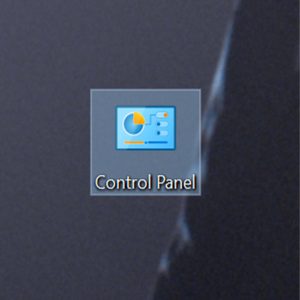
Click the Start button, type “Control Panel” in the Windows Search, and press Enter to launch it.

When the “Control Panel” window opens, select “User Accounts.”

Then, select “Manage Another Account.”

Select “Yes” from the User Account Control prompt. From the next window, double-click the user account that you want to change.

Then, select “Change Account Type.”

Finally, select the “Administrator” option and click “Change Account Type” to confirm the change.

Method 3: Change a User Account to Administrator Using the Netplwiz Command
Using Netplwiz gives you a similar experience to Computer Management but in a simplified environment.
Hit Windows+R to open the Run dialog box, type “netplwiz,” and press Ctrl+Shift+Enter to launch it with administrative privileges.

When the User Accounts Control prompt shows up, select “Yes.” From the “User Accounts” window, select the account that you want to upgrade from user to administrator and select “Properties.”

Head to the “Group Membership” tab on the window that pops up.

Select “Administrator,” and then choose the “OK” button.

How to Switch to an Administrator Account (Reference)
If your current account is not an administrator, refer to the following guide:
🔗 https://www.howtogeek.com/739981/how-to-change-a-user-account-to-administrator-on-windows-10/
You may also search online for:
“How to change a user account to administrator on Windows”